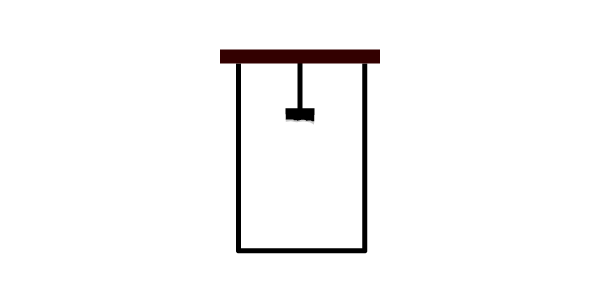
What happens when carbon burns?

🇫🇷 French Version

I— Carbon

The name carbon comes from the Latin carbo, carbōnis, meaning “coal”.

It exists in two main forms:
— diamond 💎 (a transparent crystal)
— graphite 🪨 (a black solid)
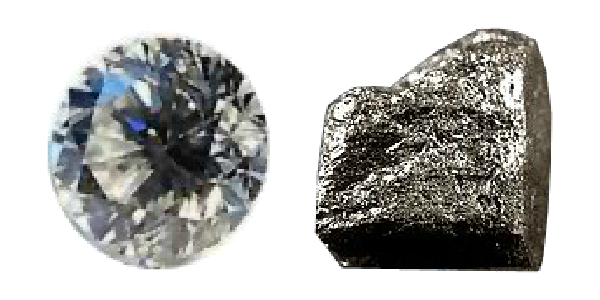
Diamond crystals and a block of graphite (carbon)

Coal contains between 50 % and more than 90 % carbon.

To study the combustion 🔥 of carbon, charcoal is used because it is also mainly composed of carbon.
II— Carbon combustion in air and in dioxygen

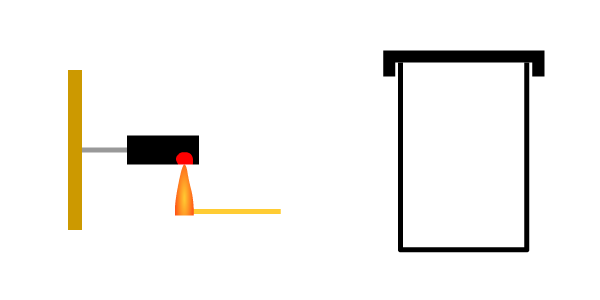
Step 1:
A piece of charcoal with a glowing point
and
A flask containing 100 % dioxygen 🌬️

Glowing charcoal and a flask of dioxygen

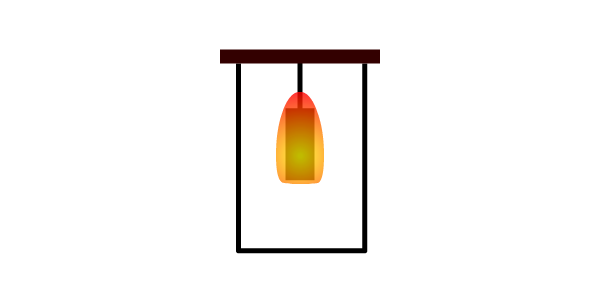
Step 2:
The piece of charcoal with a glowing point is placed in the dioxygen flask. A flame is observed 🔥. Combustion is vigorous.

Bright flame when charcoal is introduced into dioxygen

Step 3:
After a few minutes.
A flask is obtained containing 20 % dioxygen, 80 % carbon dioxide, and a small piece of charcoal (mist and ash are present).

Gas mixture after combustion: remaining dioxygen and carbon dioxide produced

Combustion summary

Before combustion
Piece of carbon
100 % dioxygen


After combustion
A little carbon
20 % dioxygen
80 % carbon dioxide
(mist present?)

III— Conclusion

During carbon combustion, heat is released. Carbon combustion is said to be exothermic 🔥.

During carbon combustion, carbon and dioxygen are consumed, and carbon dioxide is formed.

Carbon combustion is a chemical transformation.

IV— Note: chemical test

To identify the presence of carbon dioxide at the end of combustion, a carbon dioxide sensor or a chemical test can be used 🧪.

For example, limewater is poured into the flask, and its appearance is observed. In the presence of carbon dioxide, limewater turns cloudy.

💡 Ready to test your knowledge?

Let’s go! 💥